

Boyhood
Weird Barbie, sucker punches, and other small acts of ruin

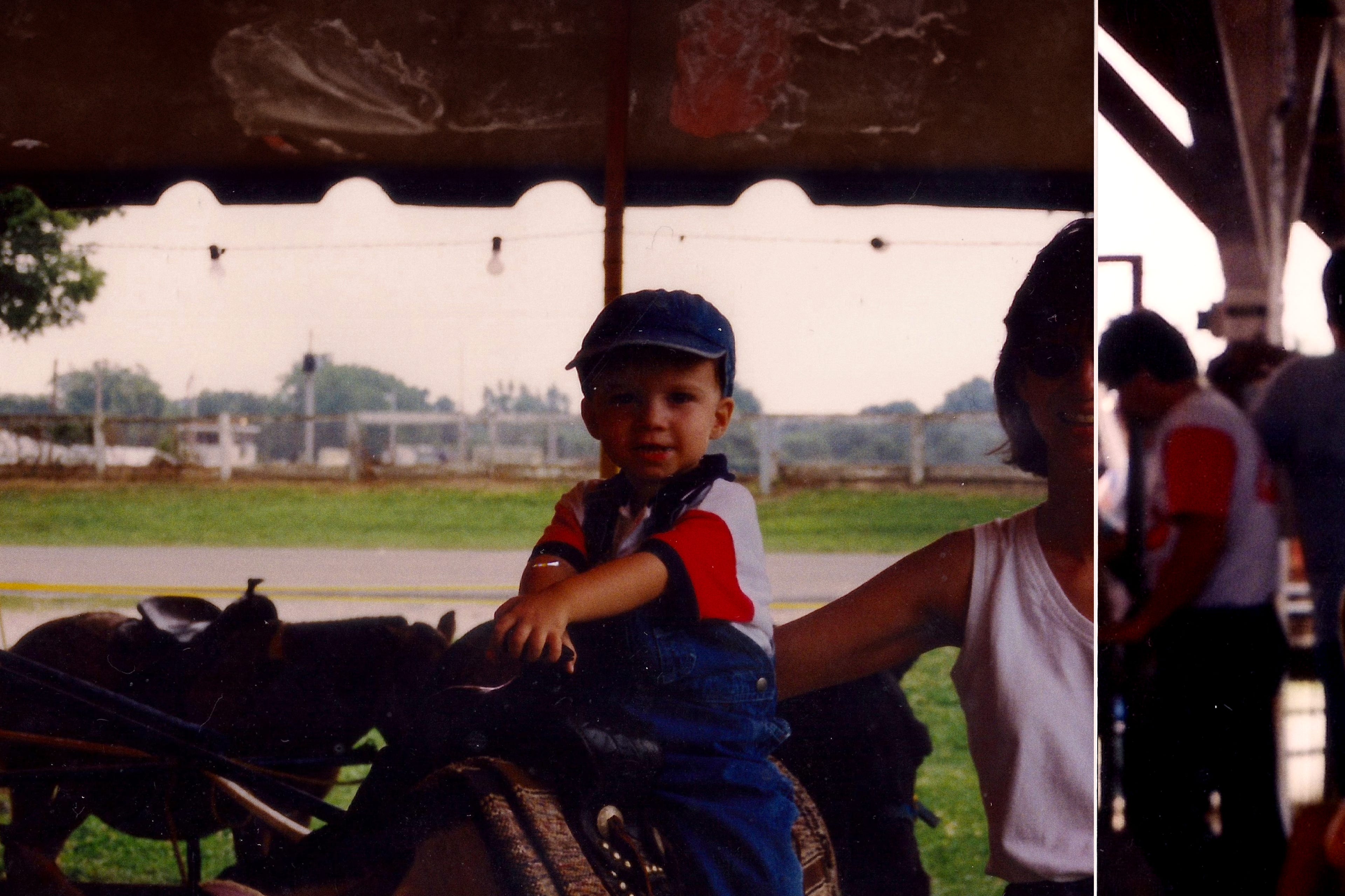
“All stories are also the stories of hands—picking up, balancing, pointing, joining, kneading, threading, caressing, abandoned in sleep, cutting, eating, wiping, playing music, scratching, grasping, peeling, clenching, pulling a trigger, folding.”
— A to X: A Story in Letters, John Berger
One afternoon as a kid, my sister and I had seemingly played with every toy in the house. We must have reached a state of complete boredom, enough to mope from room to room. My mother said she had something we might enjoy, something she’d stored away and had to go find. She returned with a small little house of sorts. It was a Strawberry Shortcake playset from her childhood.
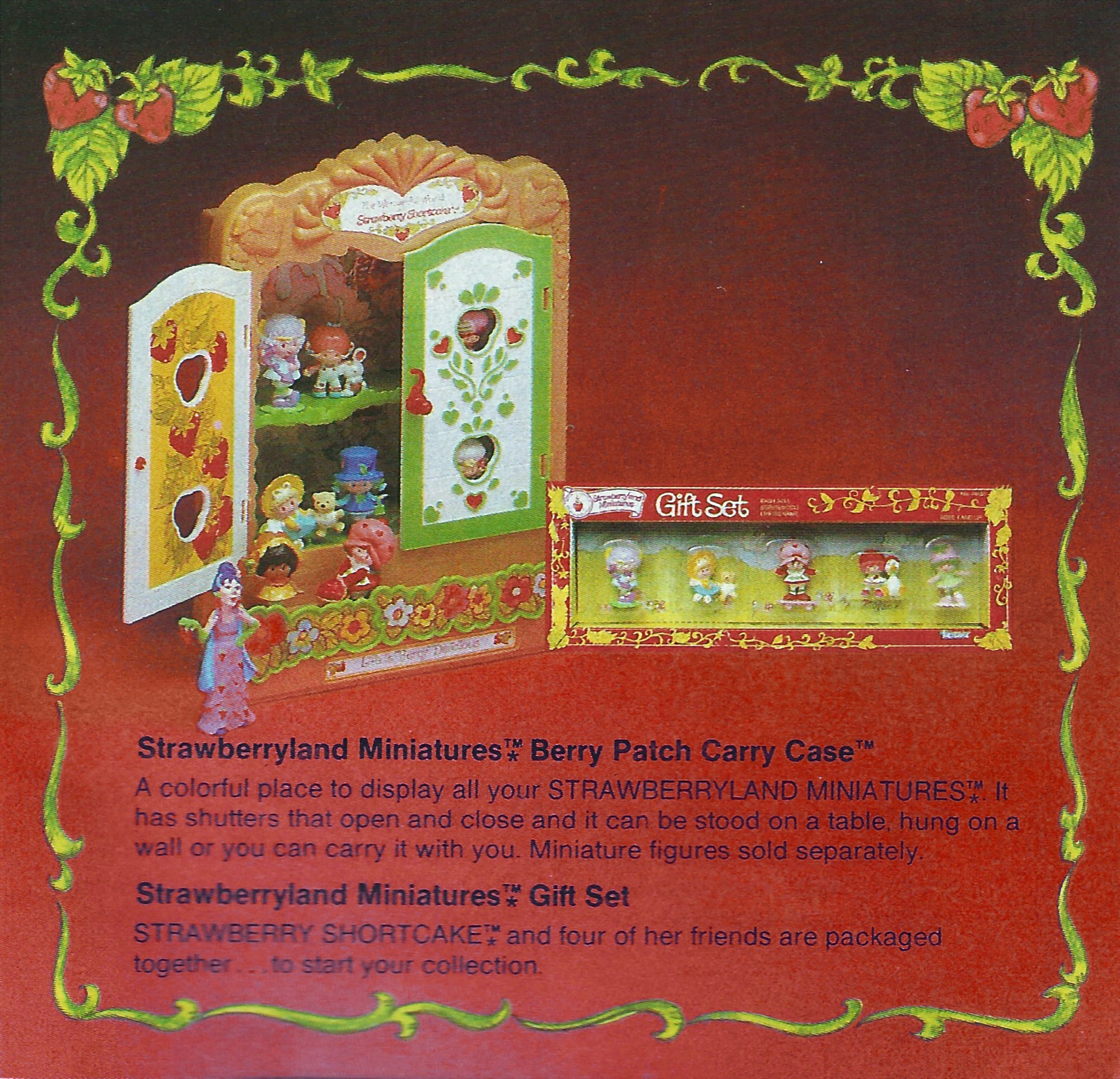
We spent a few hours in our own world with the hand-me-down; the heads of the small figurines smelling faintly of different fruits. While playing, I noticed the stickers on the doors were falling off from age, and it bothered me. I didn’t think they were able to be fixed, since pieces of them were missing, so I took the liberty of starting to peel. I don’t know how far I ventured, but I must have either showed mom or she came to check on us and spotted my doing.
She started to get angry, but her eyes quickly welled with tears. I watched her face morph into a mourning over something precious, something lost; a fragment of her youth she’d hoped could be preserved and part of ours. In that moment I was a mirror of her girlhood gone, and reflected back to me was my ever-present boyhood.
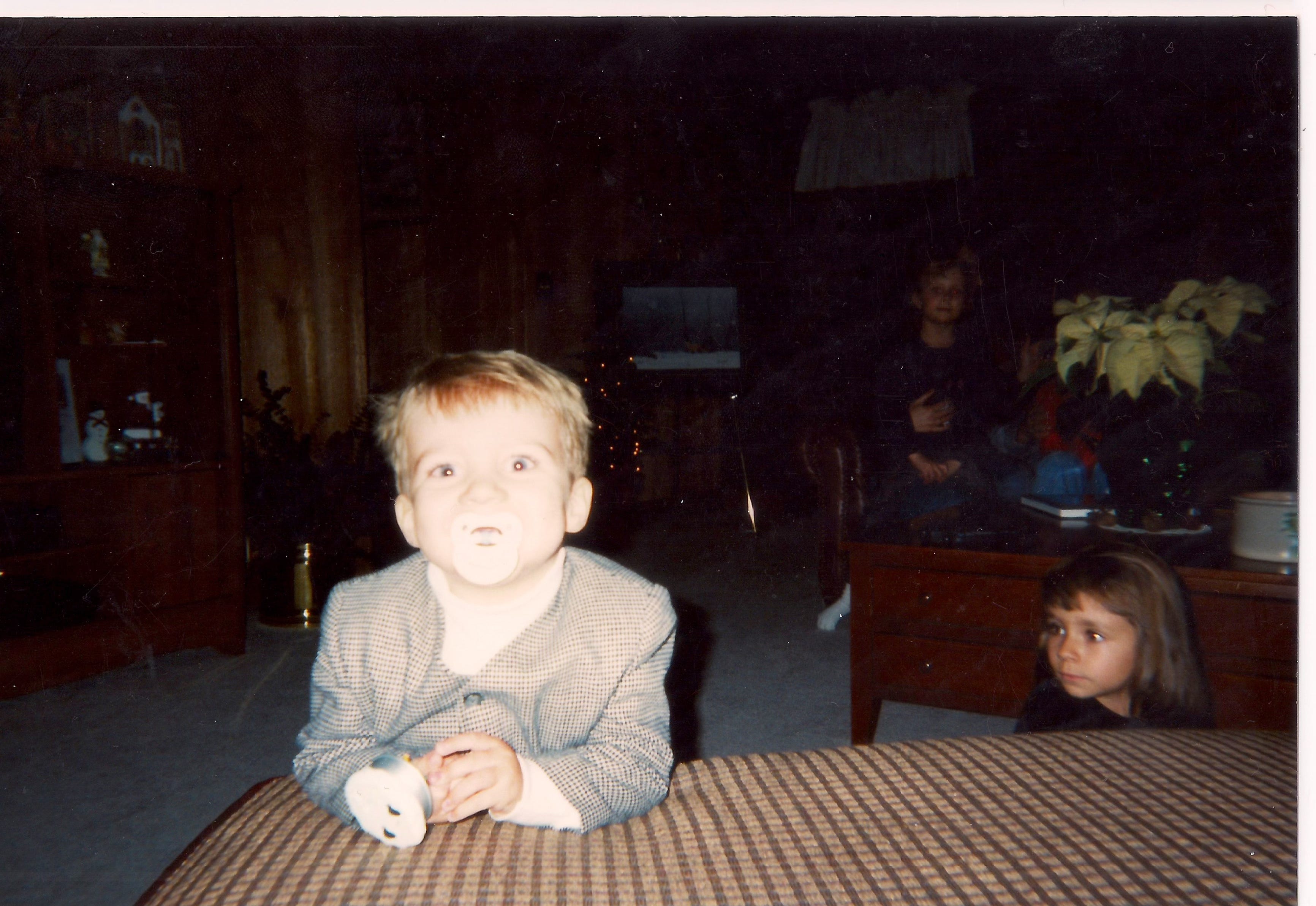
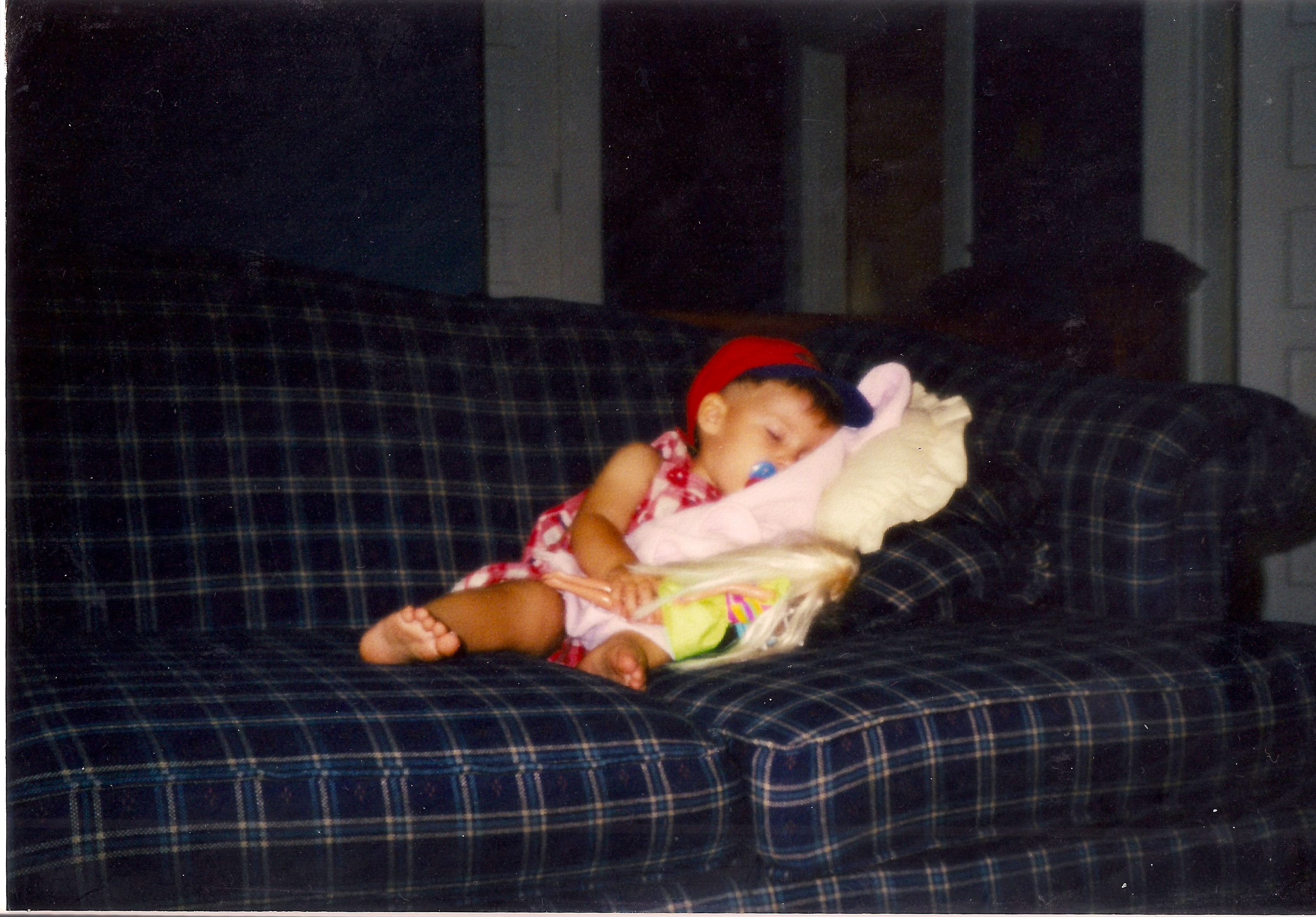
I was a girls’ boy from the youngest of years. Running to them first, asking for their toys, falling asleep occasionally in my sisters’ Disney-themed nightgowns. I wasn’t averse to my extensive Hot Wheels, Legos, or Thomas the Tank Engine collections; there was just a thick coat of inclusion I felt when entrusted with cool-older-sister belongings.
It was by vehicle of these playdates and a Polly Pocket Stretch Limo that I grew an awareness of my vivid imagination, all the while hauling my recklessness from the bumper like a string of Just Married cans. Weird Barbie of today hardly compares to Olympic Swim Barbie, who I distinctly remember accidentally decapitating post-haircut, Crayola makeover, and swirly in the nearest body of water I’d deemed fit.
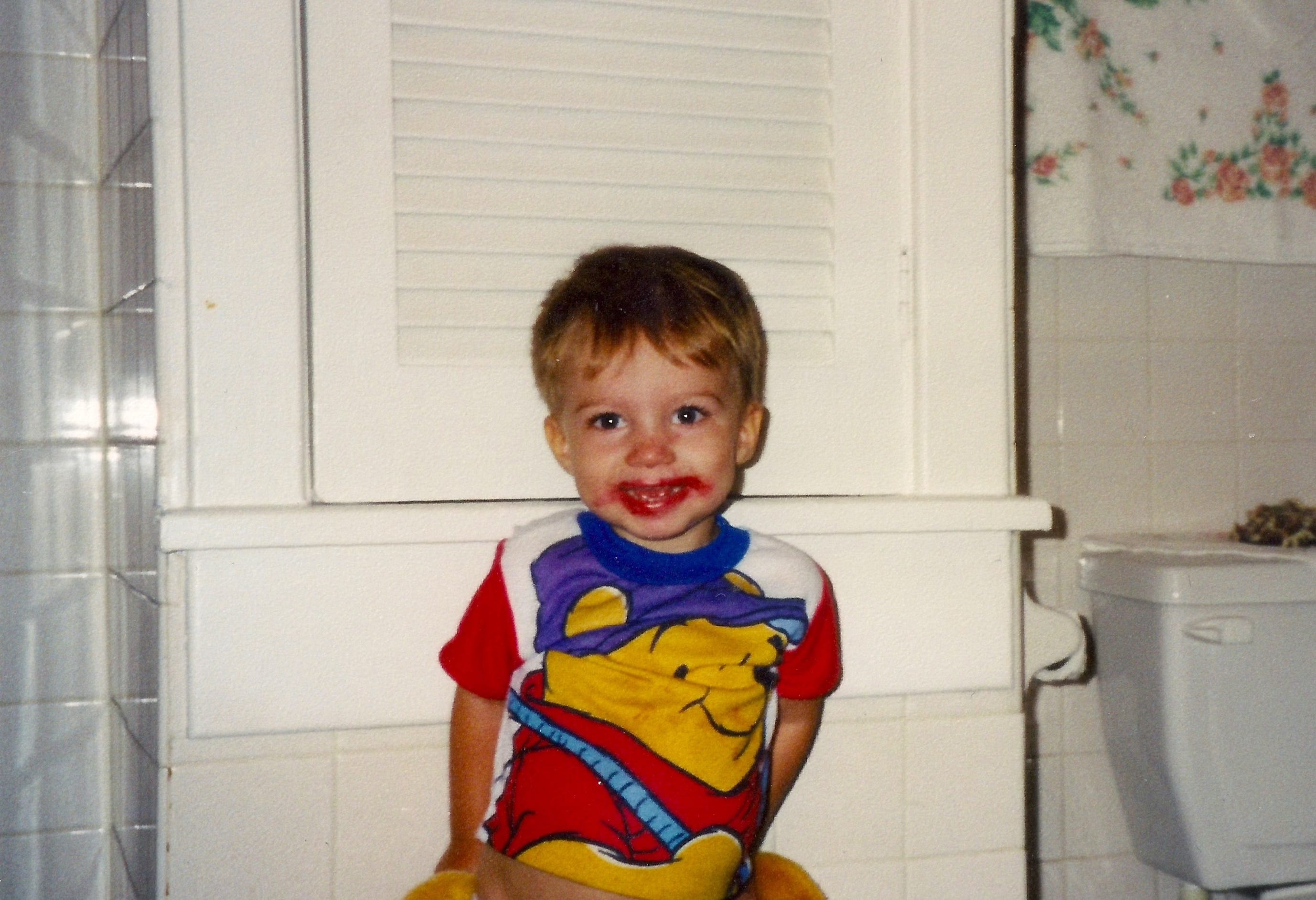
What I also grew to know was a sincere desire to be integrated, by boys and girls alike, which followed me every age. As my Godzilla tendencies were exchanged for empathy and a steadier hand, the destructive nature of boys became foreign and daunting. Girls became “other” and their pastel accessories unappealing; great conversationalists, but often occupying spaces out-of-bounds. I enjoyed aspects of both their arenas, but neither in full. I couldn’t grasp the reasons for why the field couldn’t be leveled.
One time in school, a girl in our circle hurled some trivial insult at me—nothing too foul—and I instinctively reciprocated. I was met with a shove, and so I shoved back. Almost unanimously, like a choir or the bell of a wrestling match, the words “you can’t shove a girl” rang around me, followed by a sucker punch to the gut. It was in these sharp moments where any understanding of place or belonging would rush out of me, and I would be sentenced again to remap county lines.
The category one could say I fall in today wasn’t allotted much space in the harsh light of fluorescent hallways. Adults didn’t trust me, not like they trusted the predictable chaos of boys or the well-behaved nature of girls. My distain for battles of the sexes unfamiliar, my desire for merged groups unthinkable. My character only learned through proof of time and experience.
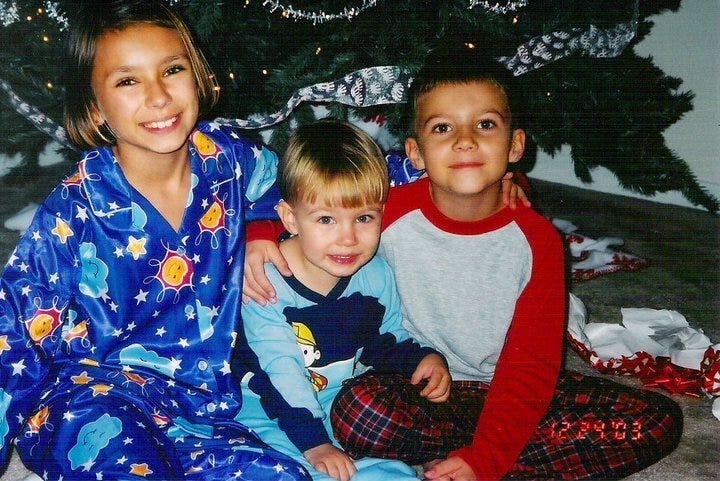
Looking back today on that Berry Patch Carry Case, I think I assumed it would be more beautiful if I just peeled. I wanted to fix it, but destruction was the only solution I could see. Glaring at it now on a screen surfaces this faint shame within me, despite the incident having long been forgiven and probably forgotten by my mother.
I guess this shadow of guilt brings an awareness to all my other small acts of ruin. Attempts to do right but getting it wrong. Navigating a river by way of crashing into its sides like a bowling lane with the bumpers up. What were the examples I had then, through peers or media, that instructed my movement through the world? So many questions I have still of who I was expected to be and what was predestined for me, as I reflect on all the byways I took to end up here.
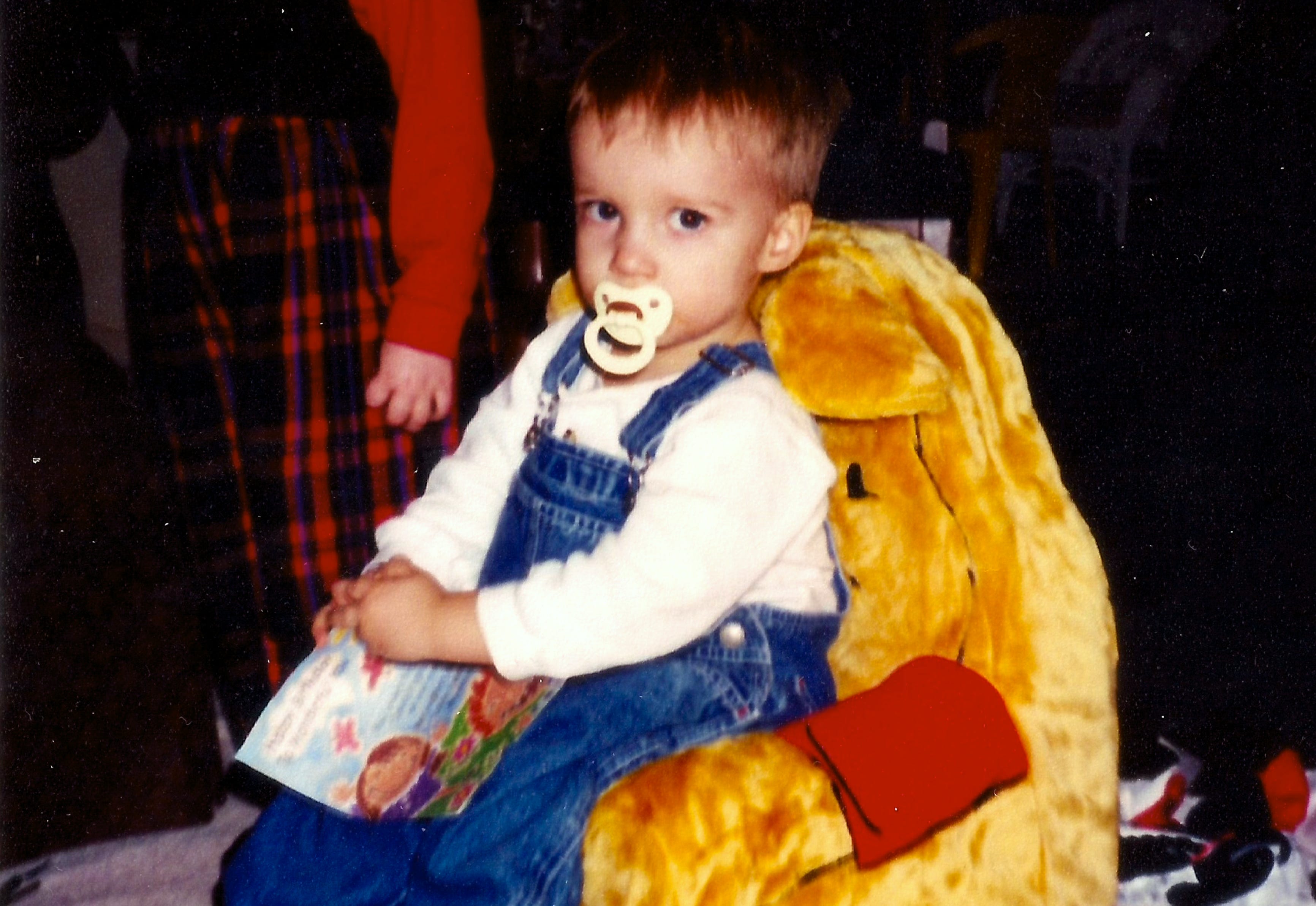
My appreciation runs deep for the hands at home that scolded, provided, soothed, and invited me to engage with the world beyond gendered structure. I still cherish the gift of big feelings and never relating to despising one’s siblings. I could even utter a thank you to those schoolgirl knuckles, as they undoubtedly prepared me for the more precise and nuanced pains ahead.
When I find myself now in a moment of gentleness, strength, wisdom, or sacrifice I picture both my parents, but specifically my mother. We’ve always seemed to have a similar head screwed on. A persistence, a rhythm, a desire to understand. I say it to my friends sometimes that this is how my mother would do it. This is how her hands would steer. That’s when I feel proud of myself. As we age on separate clocks, our calls feel more like talking to a friend, yet I still pray after hanging up the phone that I grow as strong and sure as her one day.
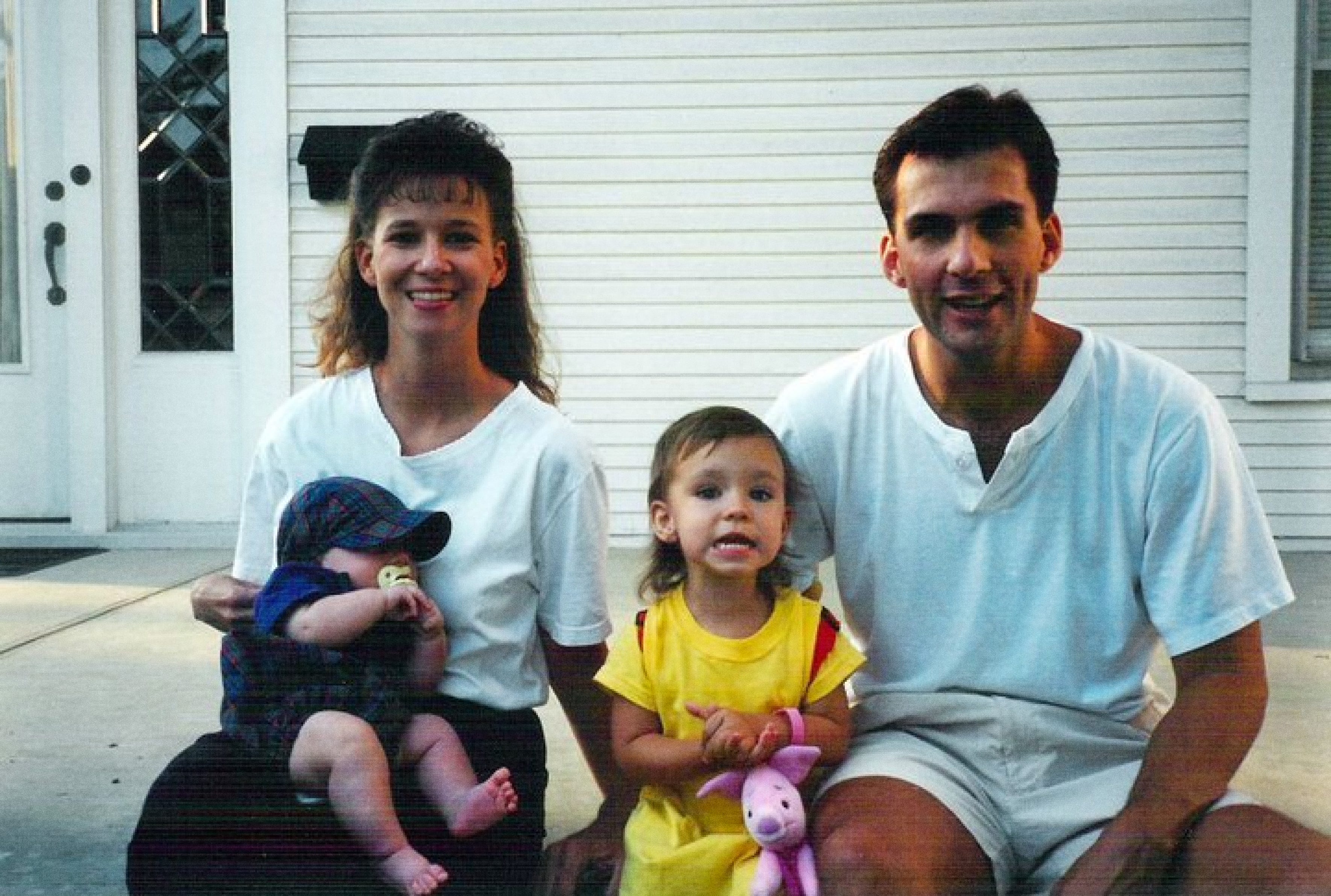
I don’t know if I would change boyhood. I don’t know if I would go back and not peel. These fragments all feel so enmeshed with how I move, and part of the reason I can haul my whole self with me.
If I’d change anything I’d rewire the system for those coming up. Encourage big questions, instill vulnerability, nurture the pieces that don’t fall into place. I’m not a parent—I hope one day I could be—but I was a child, and as I grew old enough to occupy spaces of equilibrium I became more of me. These rites of passage may never change, but for the sake of the little boy today that feels like I did, I hope they someday do.